
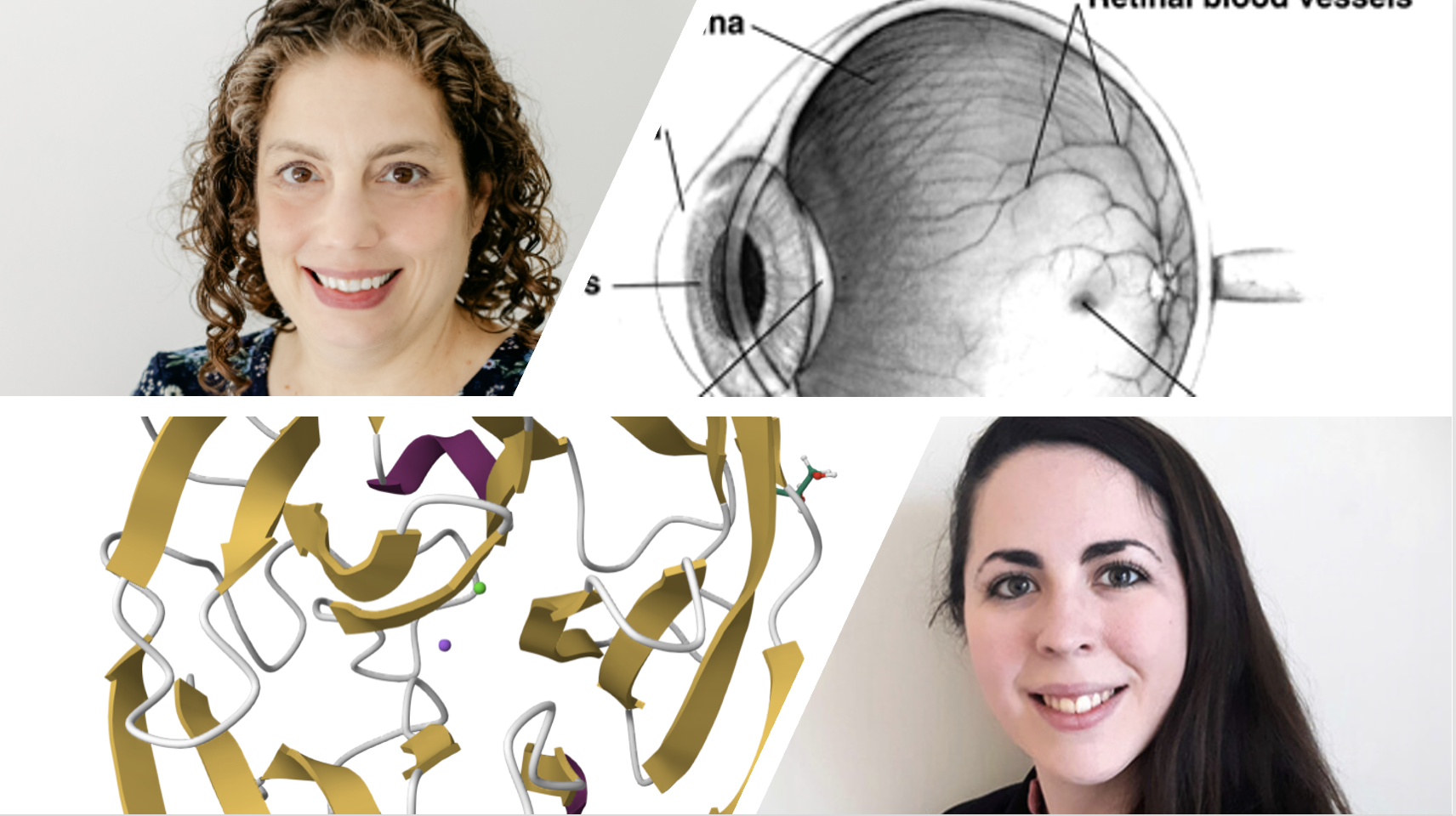
Research Spotlight: Hannah Youngblood and Raquel Lieberman Advance Glaucoma Research
 | Research from the School of Chemistry and Biochemistry: September 2026Browse abstracts and journal articles published by Chemistry and Biochemistry faculty in September 2026. |
News
Events
Experts in the news
Are people who have been blind for most of their lives better at hearing than sighted individuals? In a new study in JNeurosci, Woon Ju Park from the Georgia Institute of Technology and colleagues explored this question by comparing tone detection and pitch discrimination in people with and without sight.
Medical XpressFor most of the industrial era, spreading crushed limestone across farmland has been treated as a carbon problem. The rock contains carbon; it ends up in contact with air and water, and by the most conservative accounting conventions, carbon is assumed to escape as carbon dioxide. Regulators and major climate assessments have baked that assumption into their default rules for decades.
A study published in Nature now argues that the opposite is true and that the error came from asking the wrong question. Across more than 120 years of records from the Mississippi River Basin, the researchers, including study co-author Chris Reinhard, conclude that agricultural liming has removed somewhere between 300 and 400 million metric tons of carbon dioxide from the atmosphere since 1900.
Intelligent LivingOceanographer Lily Dove has worked with marine mammals and robots to better understand climate change in Antarctica. In an interview published by Science News Explores, she discusses her experiences and shares advice for students interested in careers in science.
Science News Explores